

Can Purple Be Warm? Let’s Clear It Up
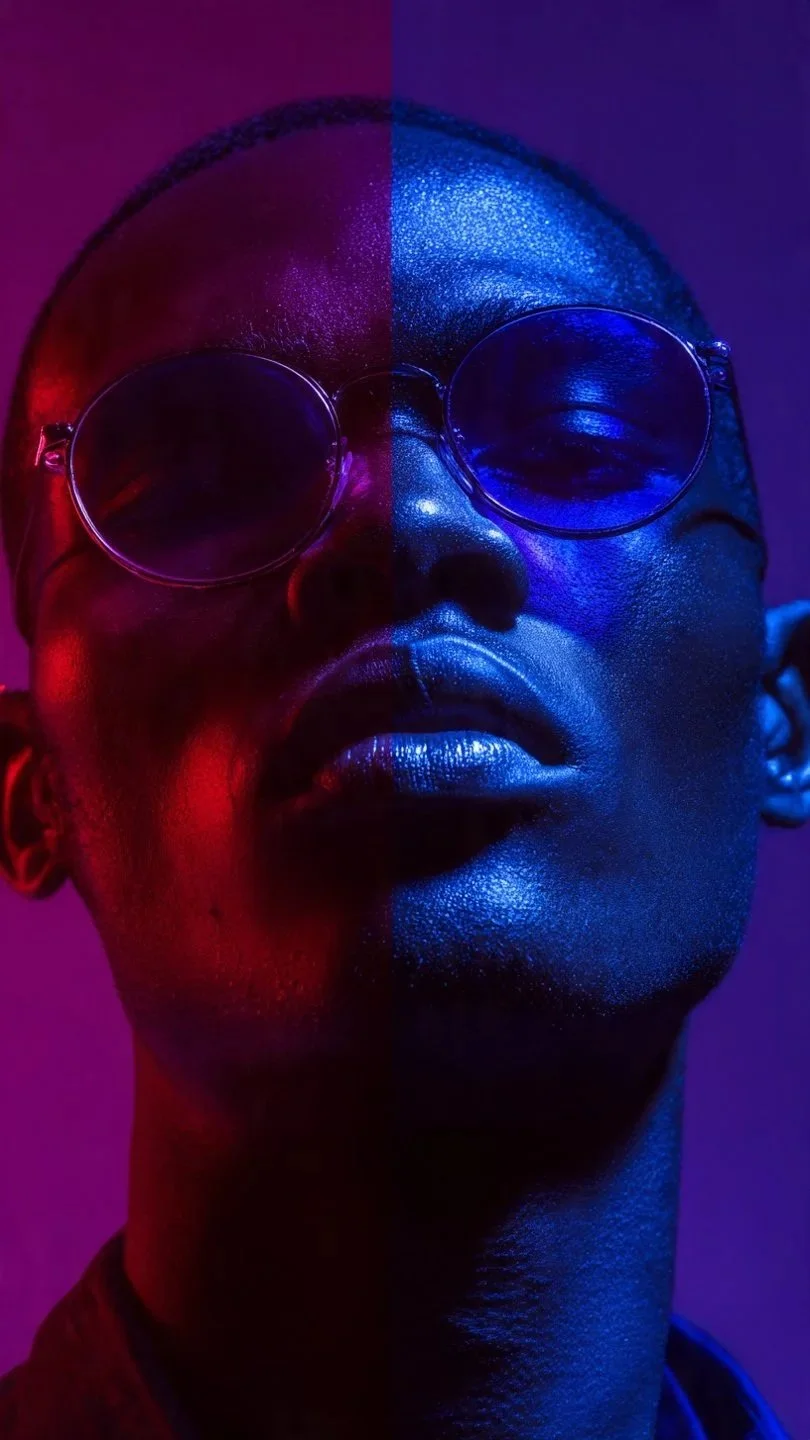
If you’ve ever heard someone talk about a “warm purple” and thought, Wait... isn’t purple a cool color?, you’re not alone. Purple is one of the most misunderstood hues—and it’s time we demystify it.
First, How Is Purple Made?
In basic color theory, purple is created by mixing blue and red—two primary hues with very different behaviors in color analysis. Blue leans cool. Red, however, is neutral. It doesn’t push warm or cool until it’s shifted by another hue.
This balanced role of red is key to understanding why purple can appear either warm or cool, depending on how it’s mixed.
What About Mixing Yellow and Purple?
It’s a common assumption that adding yellow might warm up a purple. But in color theory, purple and yellow are complementary colors, meaning they sit opposite each other on the color wheel. When you mix them?
You don’t get a warmer purple—you get brown.
That’s because complementary colors neutralize each other. So if you’re thinking about making purple warmer by adding yellow, the result will likely look muddy or gray—not vibrant and rich. While some purples may have a slightly golden or earthy undertone if they include a small (key word here is small) amount of yellow pigment, it's done carefully to avoid full neutralization, and generally speaking, warm purples aren’t created by adding yellow at all.
So Then... How Can Purple Ever Be Warm?
Here’s where it gets interesting. Since red is neutral, it acts like a pivot point: more blue in the mix makes the purple cooler, while more red shifts it warmer. This means purple exists on a spectrum—from icy violet to rich plum.
Now, these aren’t technically warm in the way we define temperature in color theory—in general you can’t add yellow to make a purple warm (remember, that just turns it brown). But purples with a greater red influence are relatively warmer than those with more blue.
Think: red-violet, berry, mulberry, or burgundy with a purplish tint. These colors feel richer and warmer—not because they’ve crossed into the warm zone, but because they’ve moved away from blue and closer to red (neutral).
Why This Matters in Color Analysis
In seasonal color analysis, we're not just labeling colors—we're examining how each hue interacts with your unique undertones, clarity, and contrast. This means:
A blue-heavy purple might overpower someone with warm undertones.
But a red-rich purple? It can brighten the eyes, warm the complexion, and add harmony.
That’s why every seasonal palette includes its own take on purple—whether that’s a smoky lavender for Summers, a deep aubergine for Autumns, or a punchy berry for Springs.
TL;DR: What to Know About Purple in Color Analysis
Purple = red + blue (not red + blue + yellow)
Yellow + purple = brown, not warm purple
“Warm” purples have more red in the mix
This red shift doesn’t make purple truly warm—it just makes it less cool and closer to neutral
Your best purple depends on undertone, chroma, and depth
Every season has its own purple, even if it looks different from what you’ve seen before
So if you’ve avoided purple thinking it never works for you, don’t rule it out just yet. You might just need to meet your purple.